PARTICIPATION IN THE OSSConf 2025 CONFERENCE
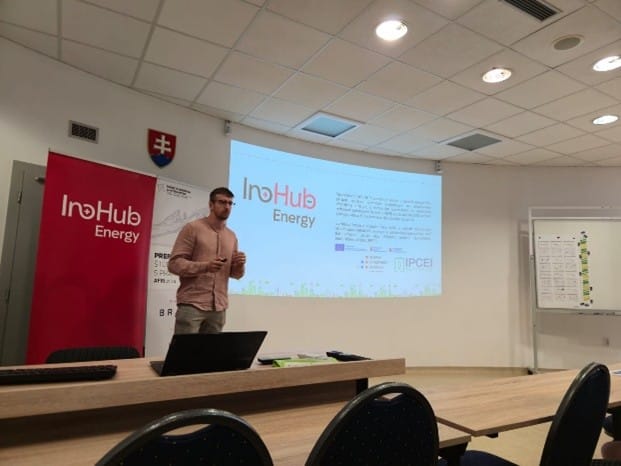
INO-HUB Energy participated in the 13th edition of the OSSConf 2025 conference, which is one of the key professional events focused on open-source technologies, open data, education, artificial intelligence, and their practical application in both academic and applied practice. The conference programme was characterised by a high professional standard, thematic balance, and a diverse range […]
TÜV CERTIFICATION – TRACKING THE PERFORMANCE

TÜV certification (sometimes written as “TUV certification”) refers to the testing, inspection, and certification services provided by TÜV organizations. TÜV certification plays a crucial role in advancing Redox Flow Battery (RFB) technologies by ensuring that products meet internationally recognized safety, quality, and performance standards. As RFBs continue to gain attention for large-scale energy storage, independent […]
POTENTIOMETRIC TITRATION WITH TitroLine® 7000
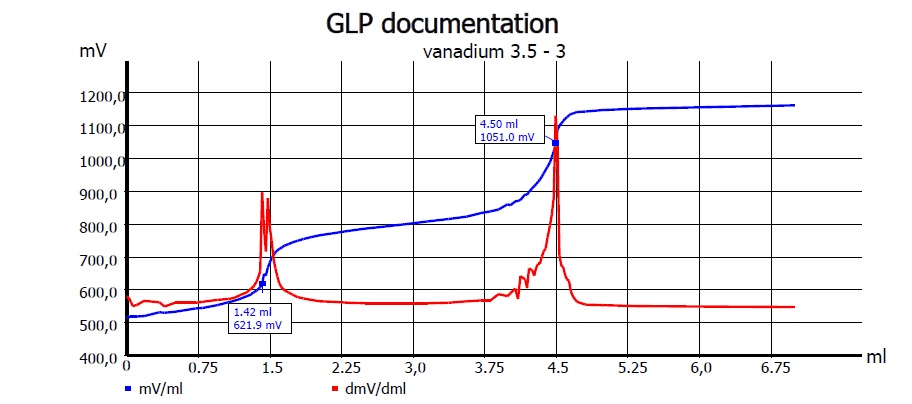
For better characterization of the vanadium electrolyte, INO-HUB purchased a TitroLine® 7000 titrator with a combined metal electrode with a platinum membrane Pt 62. It allows determining the concentration of vanadium in the oxidation state V3+ and the total concentration of vanadium in the electrolyte solution by potentiometric titration. Potentiometric titration is based on measuring […]
INO-HUB TO OPEN A NEW STATE-OF-THE-ART LABORATORY IN KYSUCKÉ NOVÉ MESTO

In the near future, INO-HUB will open a new, state-of-the-art laboratory in Kysucké Nové Mesto, dedicated to the testing of Vanadium Redox Flow Batteries (VRFBs). The primary goal of this facility is to optimize key battery components — membranes, electrodes, and bipolar plates. Once optimized, these components will be implemented in our kW-scale batteries, significantly […]
TEAMBUILDING ACTIVITY
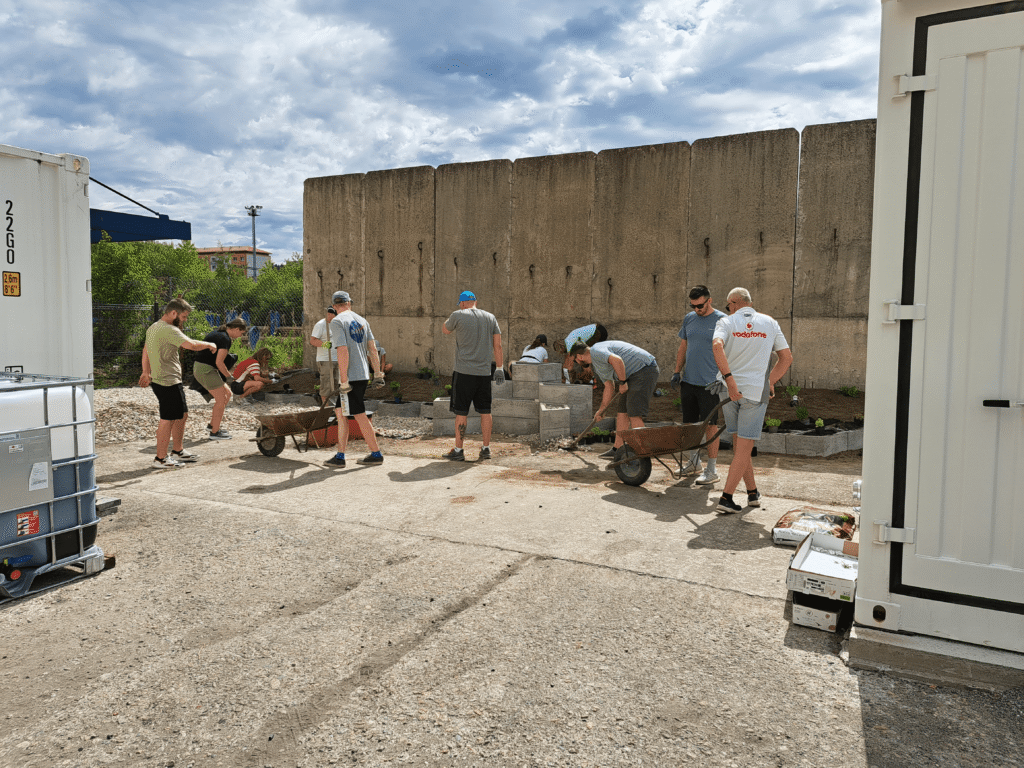
Employees of INO-HUB Energy participated in a team-building event on the 25th of June in order to beautify the environment around the demonstrator. During this day the area next to the demonstrator was adjusted with gravel and soil. The concrete blocks were installed and subsequently various types of perennials were planted, such as succulent plants. […]
PUSHING OUR ELECTROLYTE TO THE LIMIT
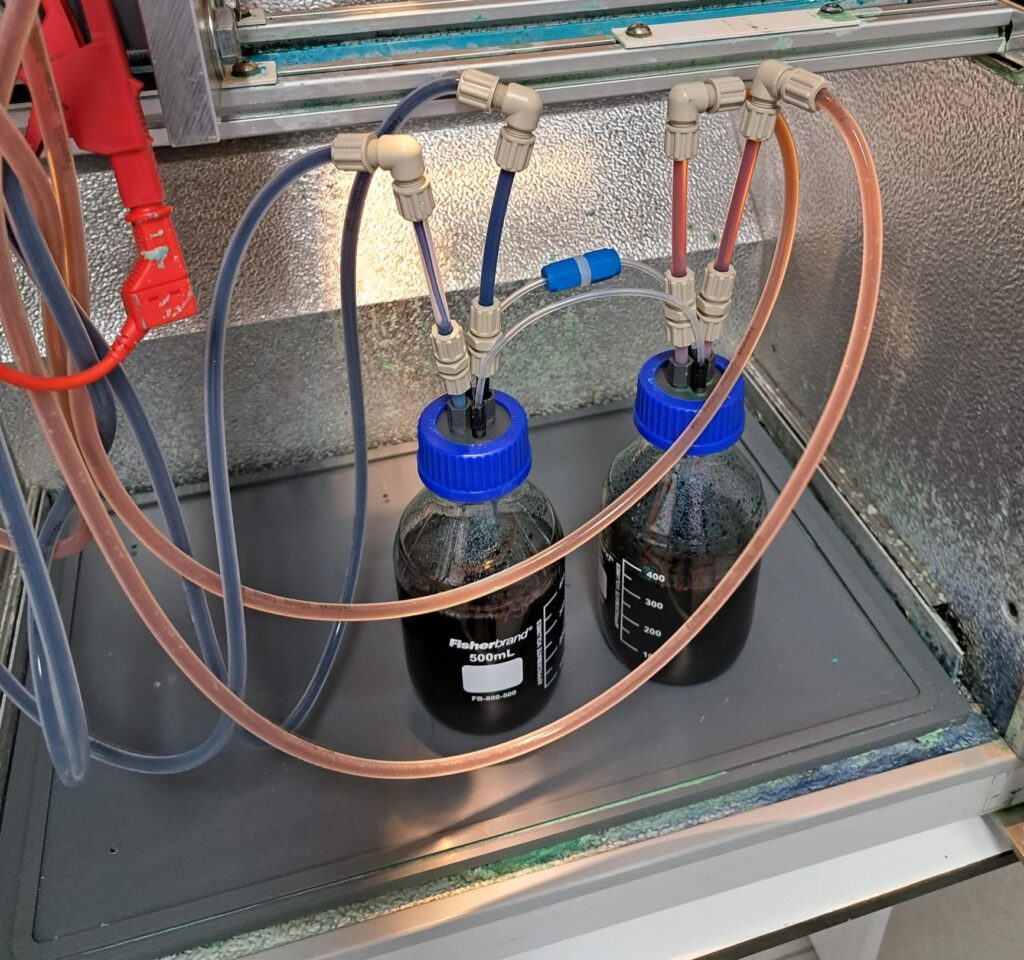
As part of the TÜV certification process—and being the core of the battery—the vanadium electrolyte must be thoroughly characterized. This includes the analysis of various physicochemical properties as well as its flammability. While this may seem like a routine task, the characterization must be performed not only on the fully discharged electrolyte, but also on […]
REPRODUCIBILITY BETWEEN SINGLE-CELL EXPERIMENTS
Since Redox Flow Batteries are a very immature technology, the lack of testing protocols could be an inconvenience in terms of reproducibility between experiments. In this sense, R&D team has designed and set up a test rig where up to six lab-cells can be operated at the same time in a temperature-controlled box. The idea […]
GET THE STACK READY FOR MASS-PRODUCTION
While at the beginning of our prototyping phase we were focused on developing a stack with high performance regarding round trip efficiency, we now have to turn the spotlight also on the requirements of mass production. This involves several challenges: All these steps bring us closer to a stack that is suitable for mass production. […]
PARTICIPATION IN VISEGRAD 4 BUSINESS CONFERENCE

The annual Visegrad 4 Business Conference once again brought together leading figures from private the public sector to discuss key economic and technological challenges. Organized by four major business associations from Slovakia, Czechia, Poland, and Hungary, the event has established itself as a premier platform for cross-border cooperation, knowledge exchange, and strategic decision-making. Since its […]
VANADIUM ELECTROLYTE: COMPOSITION AND CHARACTERIZATION
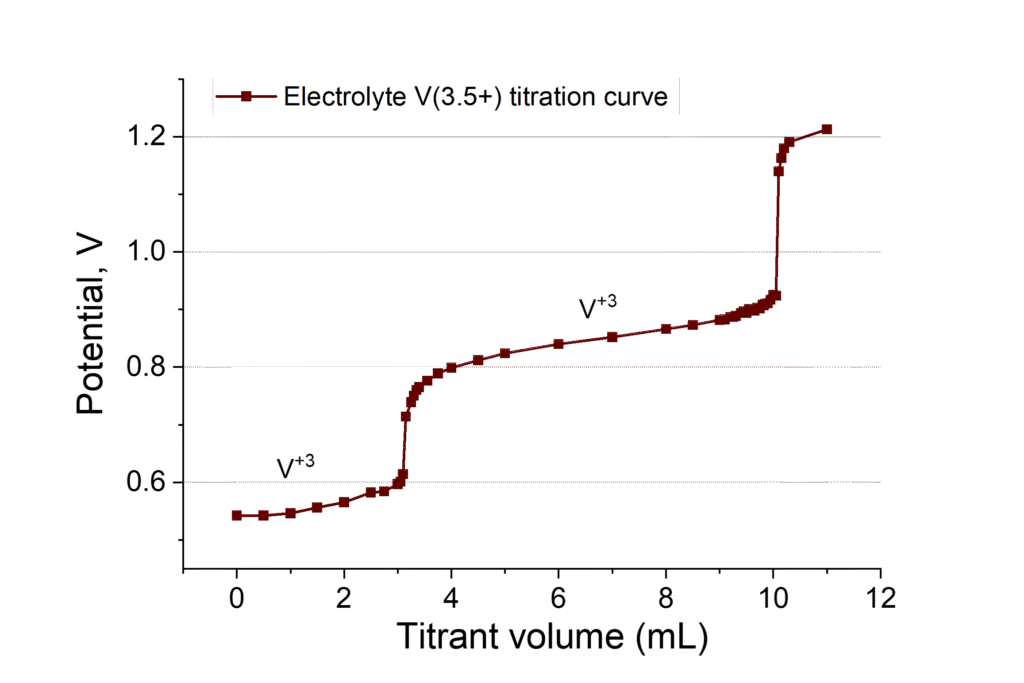
Vanadium redox flow batteries have a unique chemistry compared to other redox flow battery systems because the operation starts with the same electrolyte at both catholyte and anolyte sides. This is possible due to the chemical composition of the starting electrolyte, which consists of two vanadium salts: VOSO₄ and V₂(SO₄)₃. These represent vanadium in two […]