AI Can Only Make Decisions Based on the Information Available to It
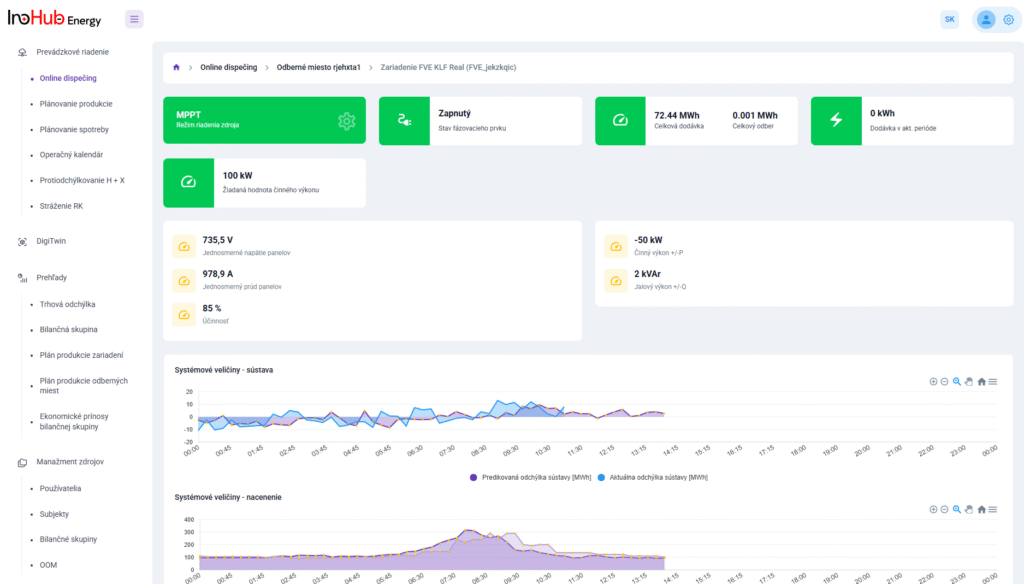
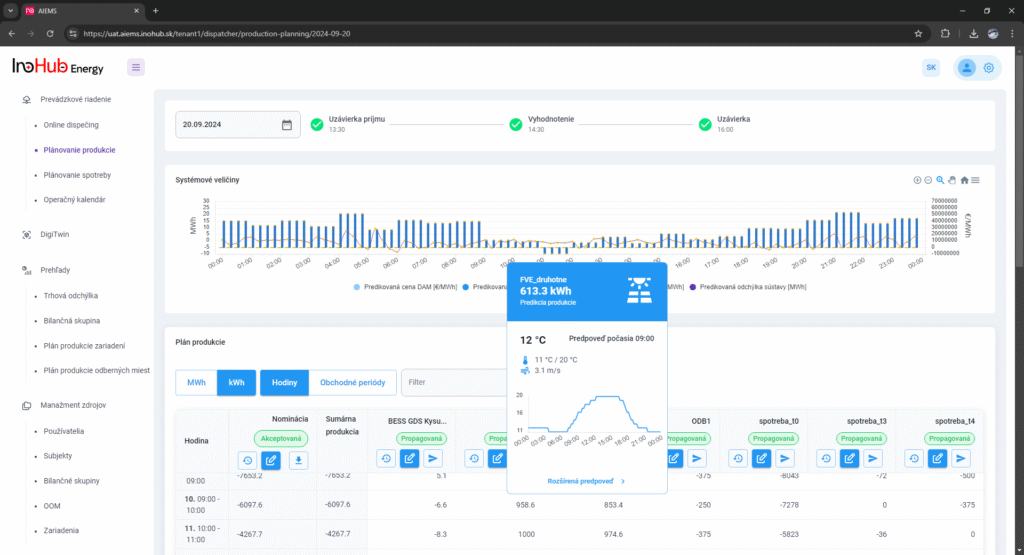
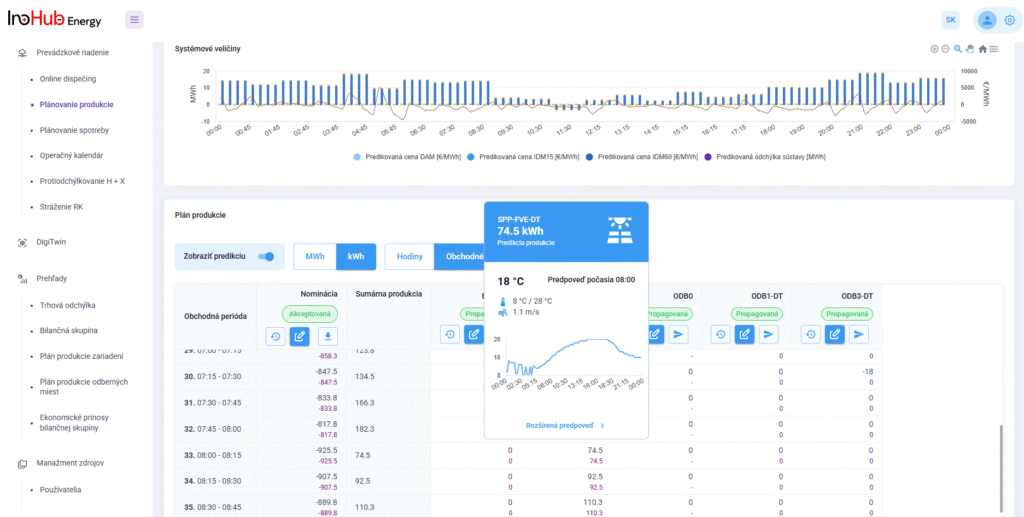
A photovoltaic (PV) power plant is an energy source whose output depends directly on weather conditions. For energy management, it is therefore not enough to know how much power a PV system is generating at any given moment. To actively optimise energy use, we also need to know how much energy it is likely to generate over the coming hours and the following day.
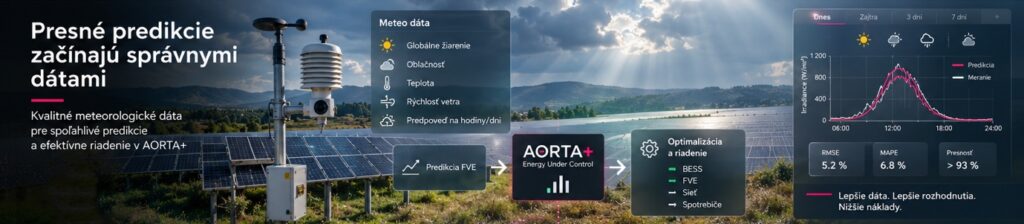
This is why weather data and forecasts are important inputs for the AORTA+ platform.
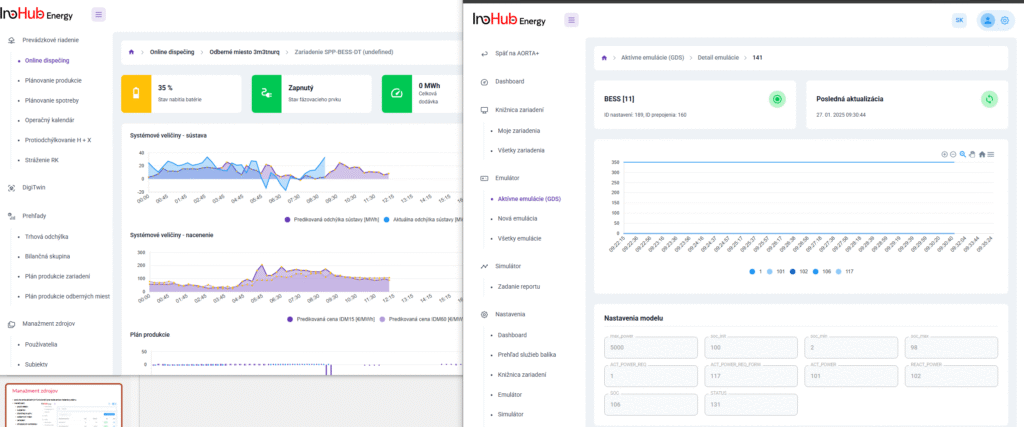
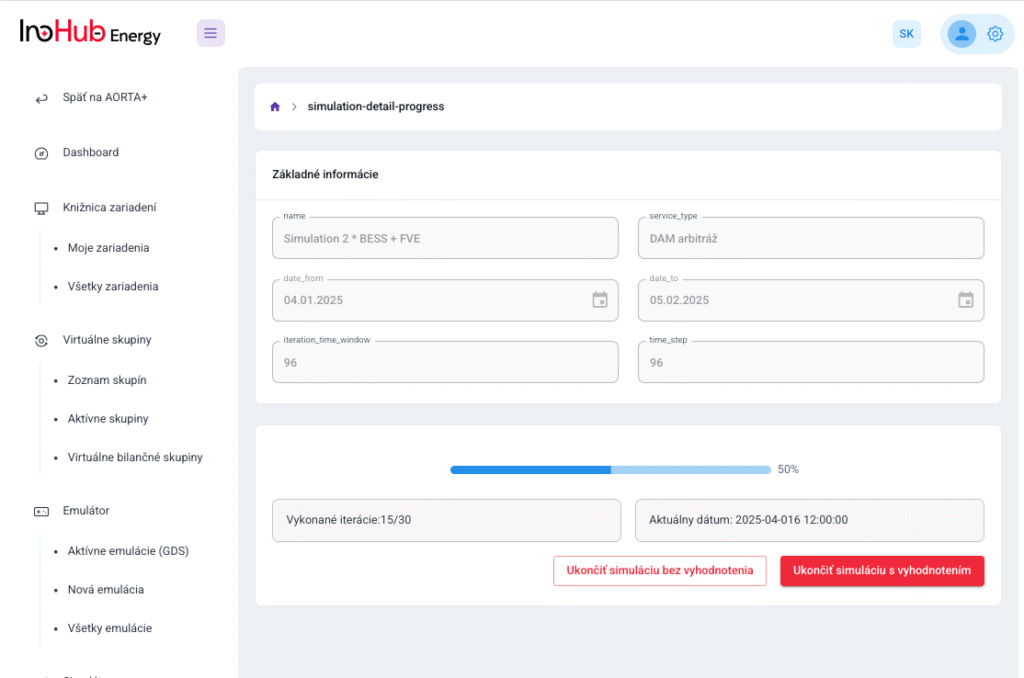
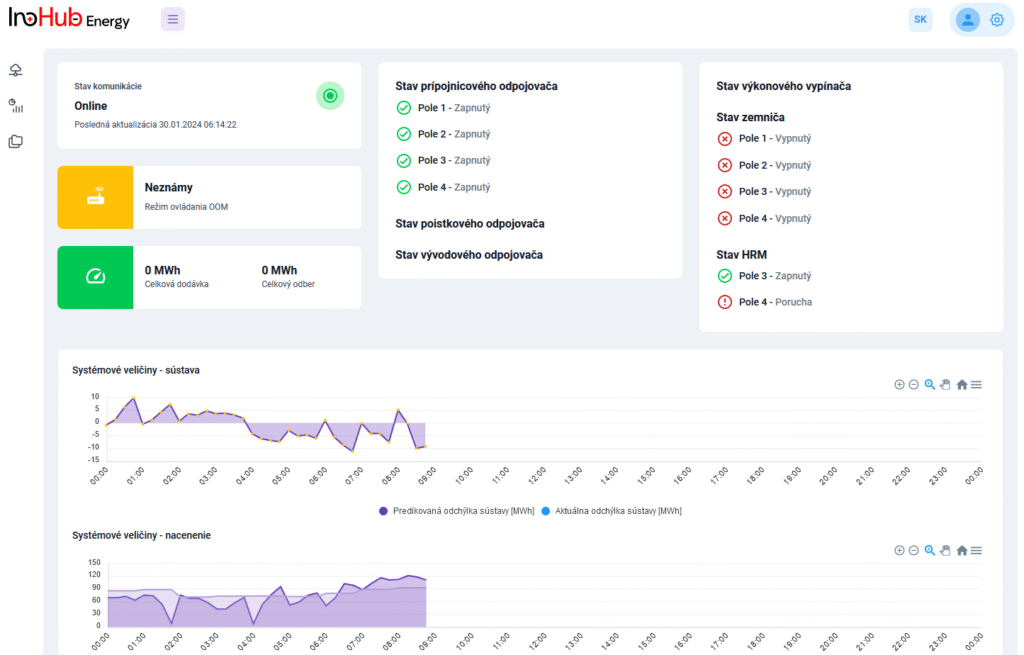
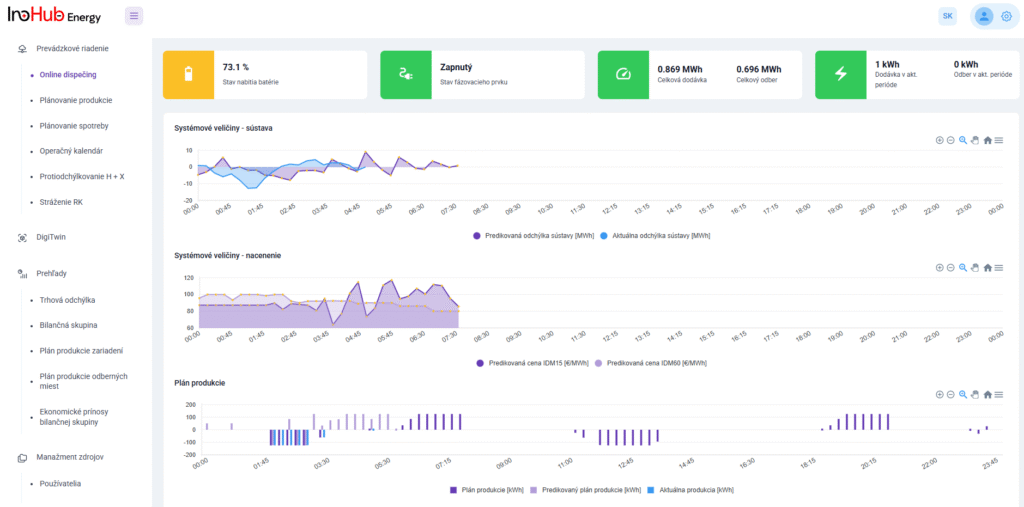
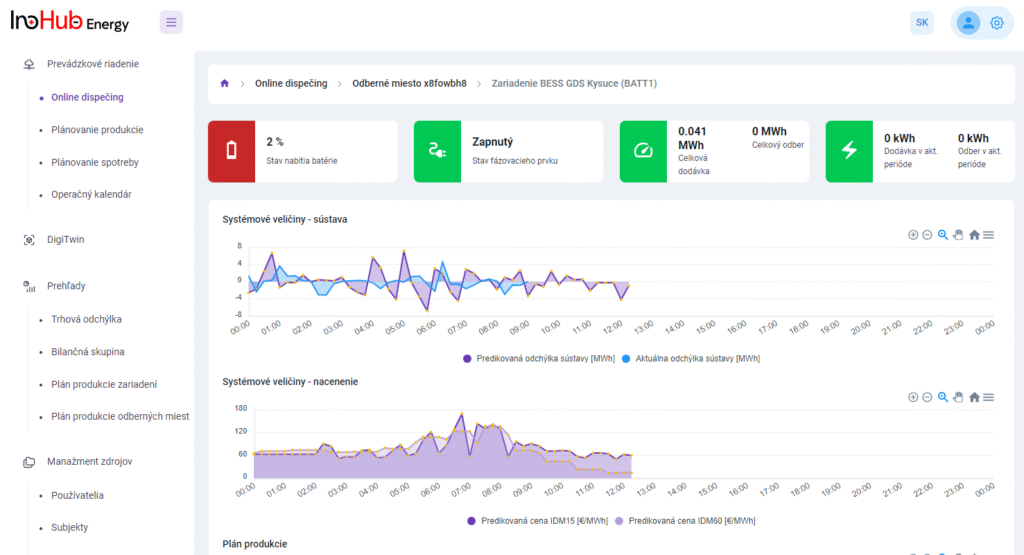
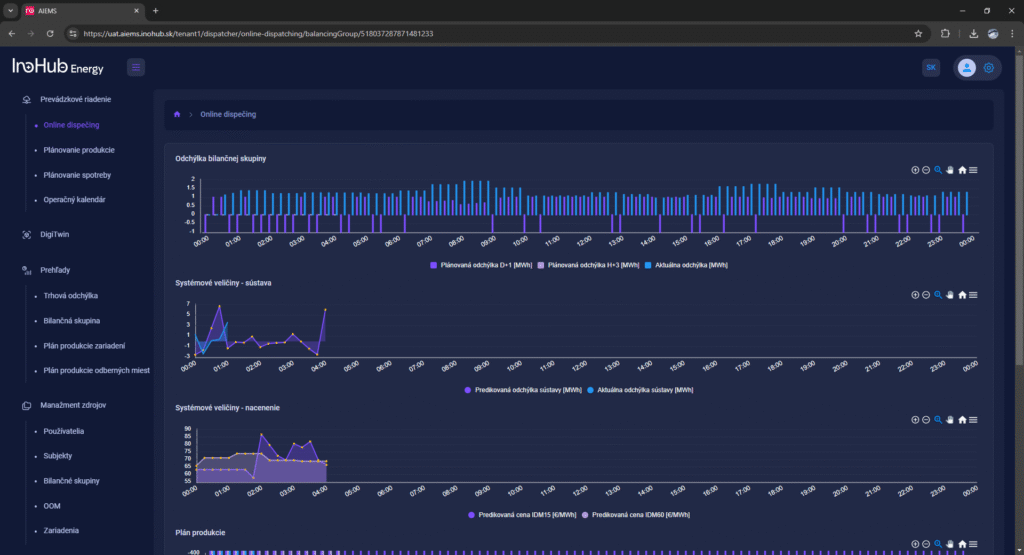
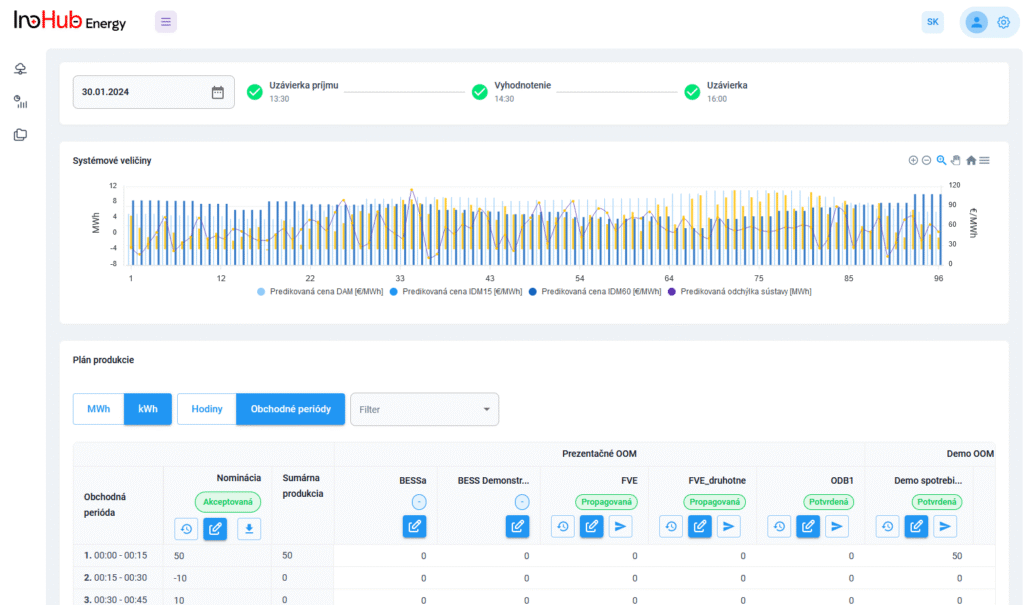
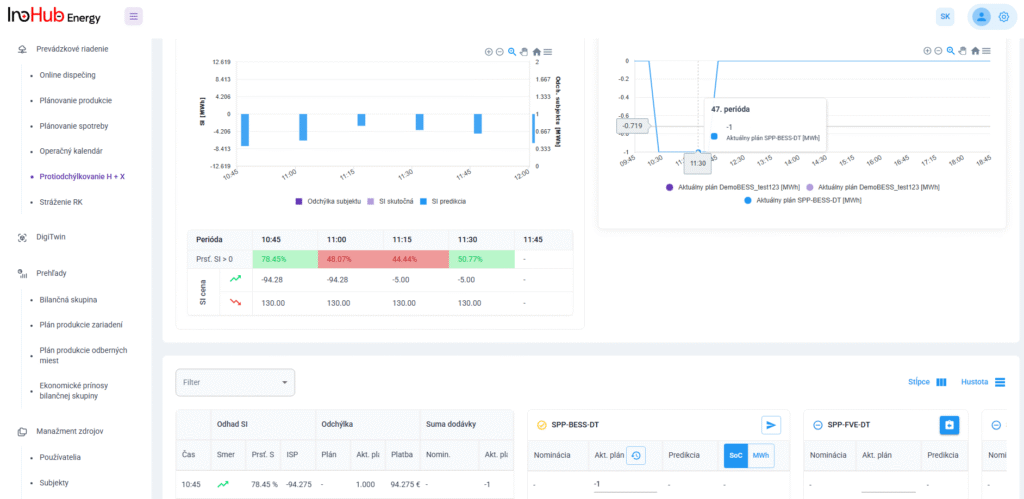
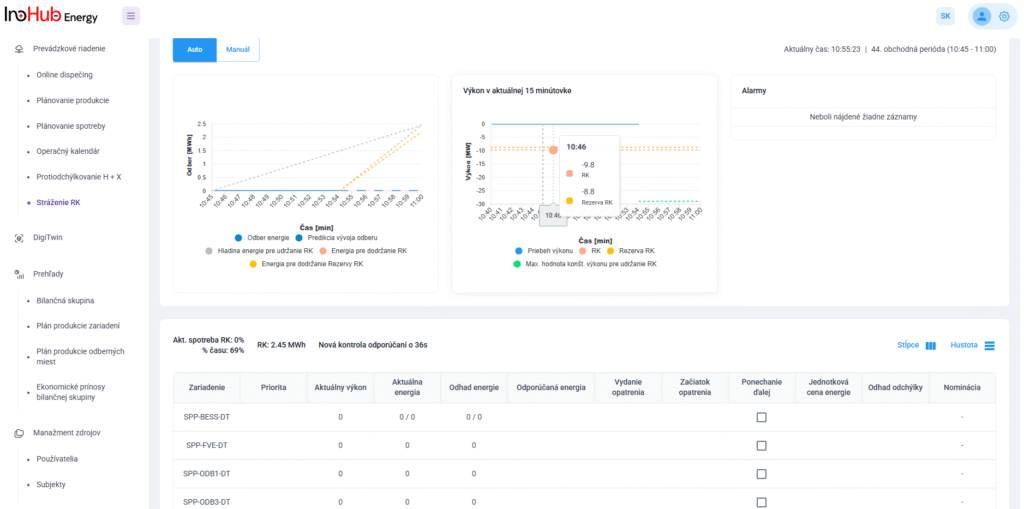
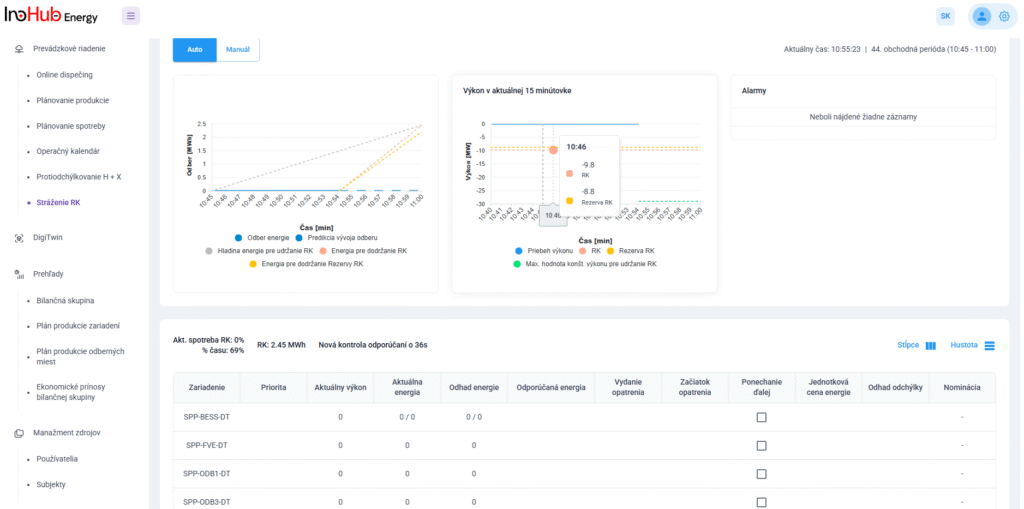
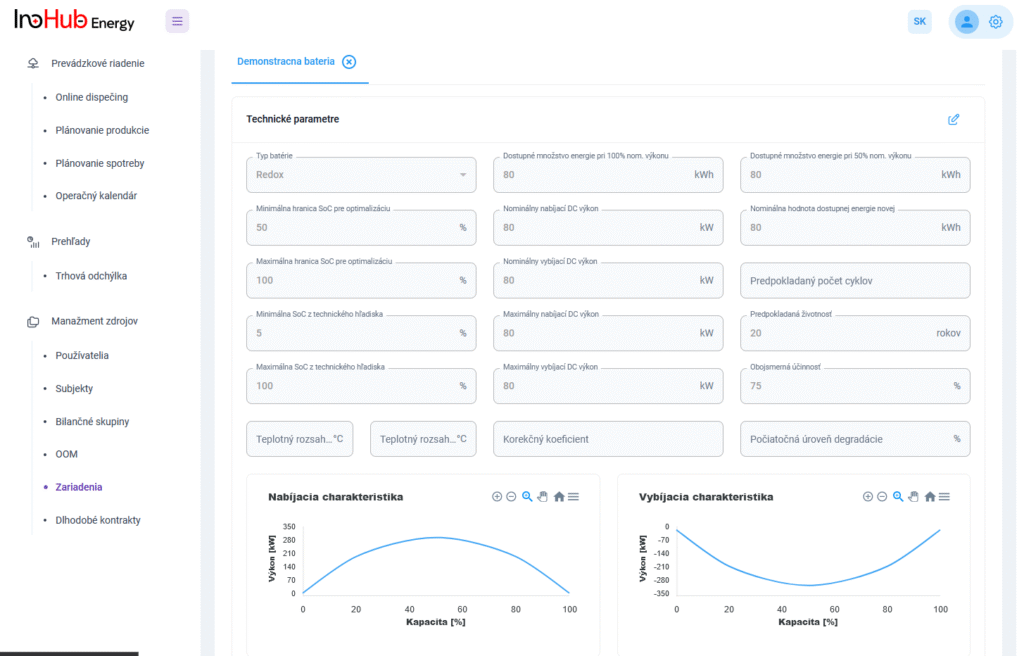
When making decisions, the system can combine PV generation forecasts with consumption forecasts, the current battery state of charge, electricity prices and the technical limits of individual devices. The result is not merely a forecast, but actionable information that can be used for planning and subsequently controlling the energy system.
The importance of high-quality weather inputs is also supported by recent research. Solar irradiance is one of the most important input variables in PV generation forecasting, and the quality of the information fed into a model can be just as important as the architecture of the forecasting model itself.
Forecasting Only Creates Value When It Influences Decisions
Consider a simple example. AORTA+ forecasts high PV generation around midday the following day. If the system also knows that consumption will be low during this period, it can account for the need to create sufficient battery capacity to accommodate the expected surplus.
Conversely, if low PV generation and high electricity prices are forecast, the battery utilisation strategy may be entirely different.
Weather forecasting thus becomes part of the decision-making chain:
WEATHER DATA → GENERATION FORECAST → OPTIMISATION → PLAN → CONTROL
More accurate forecasts can support better planning of BESS charging and discharging, PV utilisation, energy purchases and exports, and responses to expected changes in generation. Current research on solar forecasting highlights its importance for battery management, energy markets, and balancing energy generation and consumption.
ACKNOWLEDGEMENT:
This work was supported by the project: IPCEI_IE_FLOW_BESS_012021_2.Phase