When a Simple Estimate Is Not Enough for an Investment Decision
When designing a photovoltaic system, a battery energy storage system or a more complex energy solution, it is often not enough to determine only the required power or capacity of the equipment. It is equally important to understand how the entire system will behave on specific days and during individual time intervals.
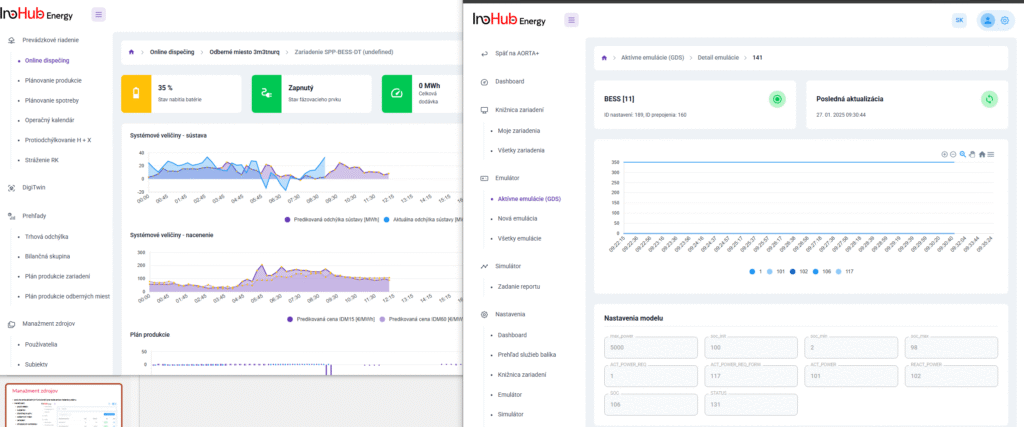
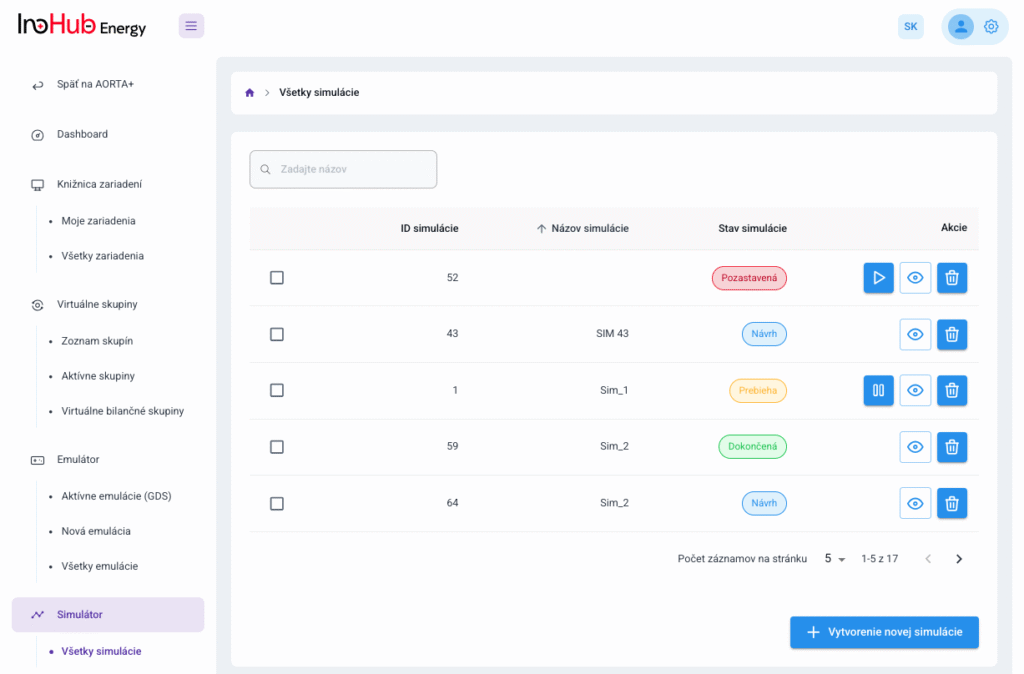
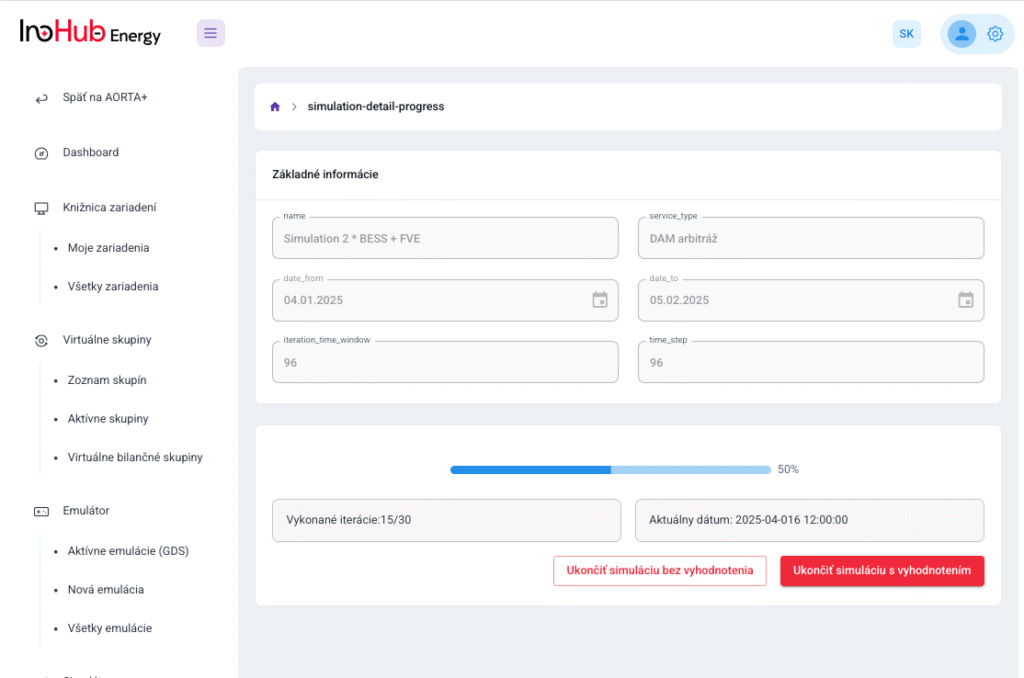
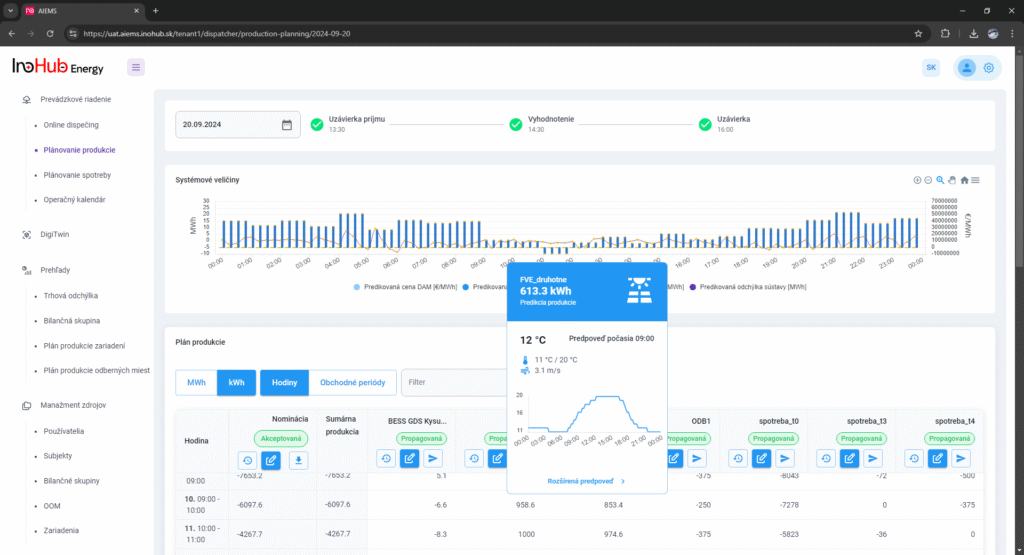
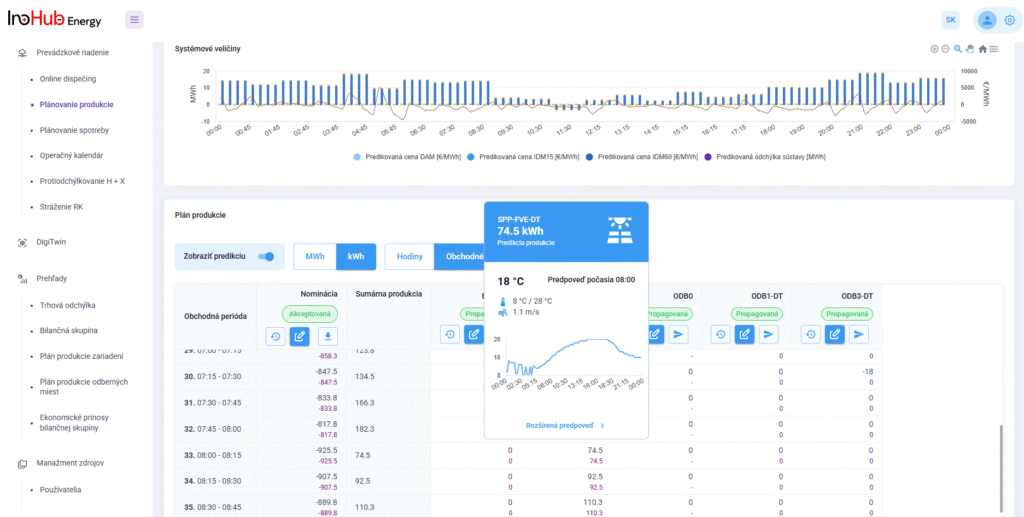
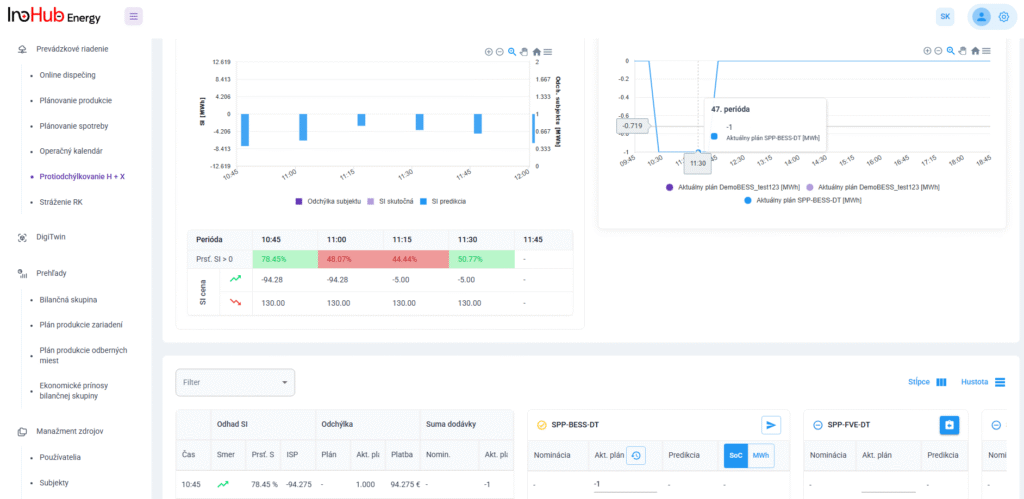
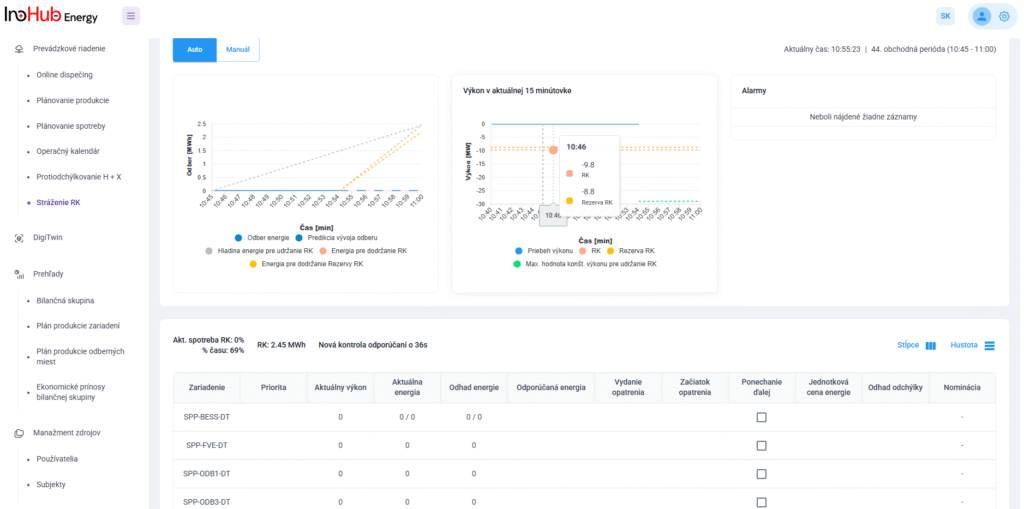
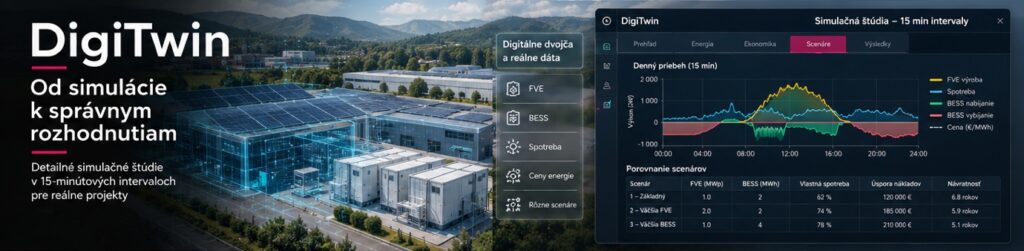
That is why we launched the DigiTwin platform, which we also use to prepare simulation studies of energy systems.
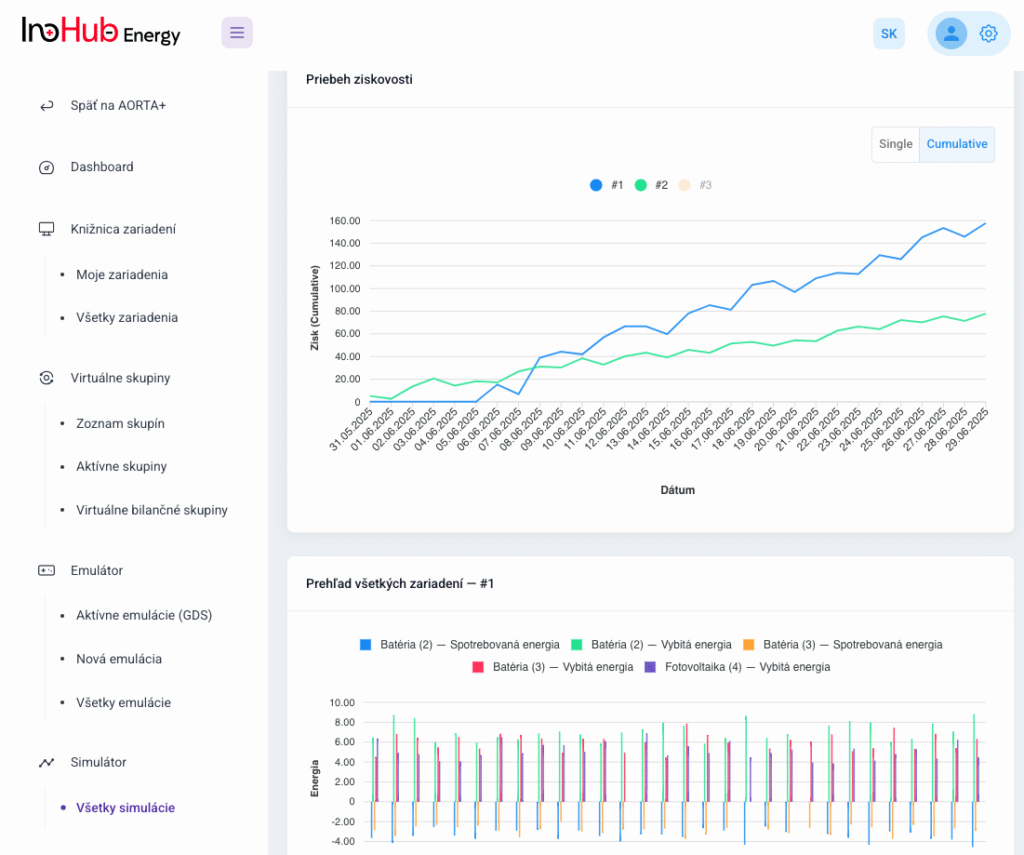
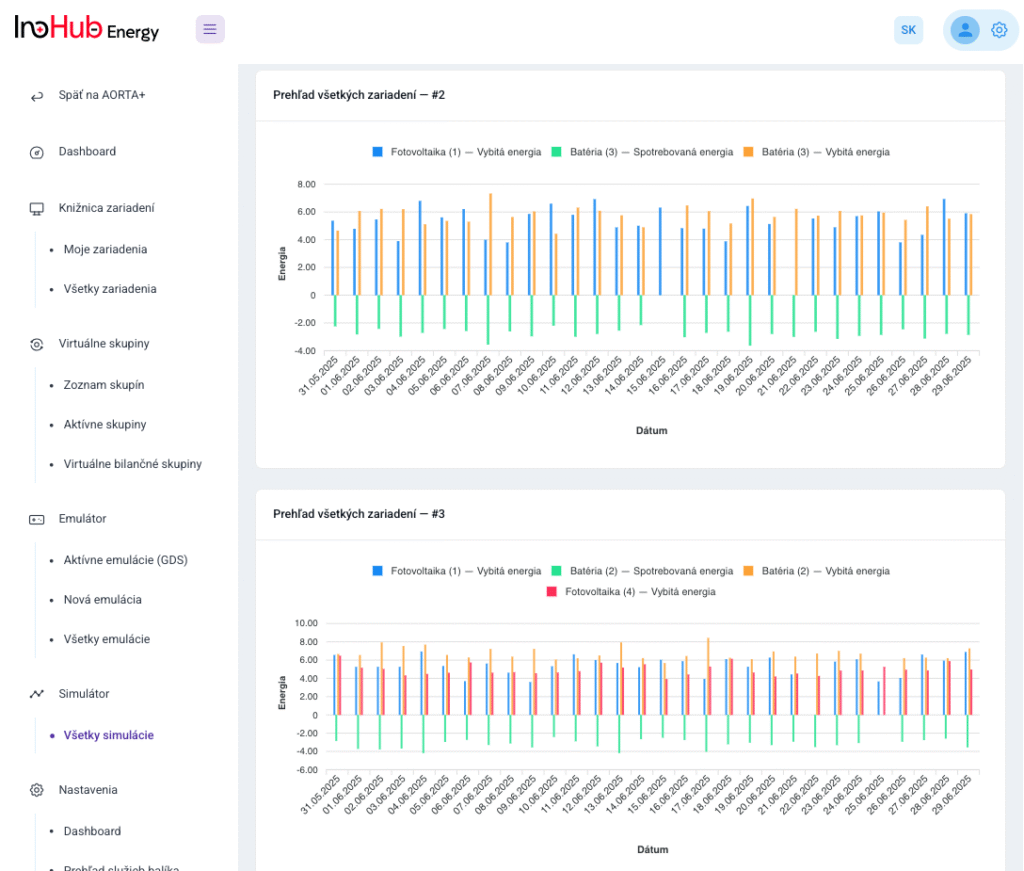
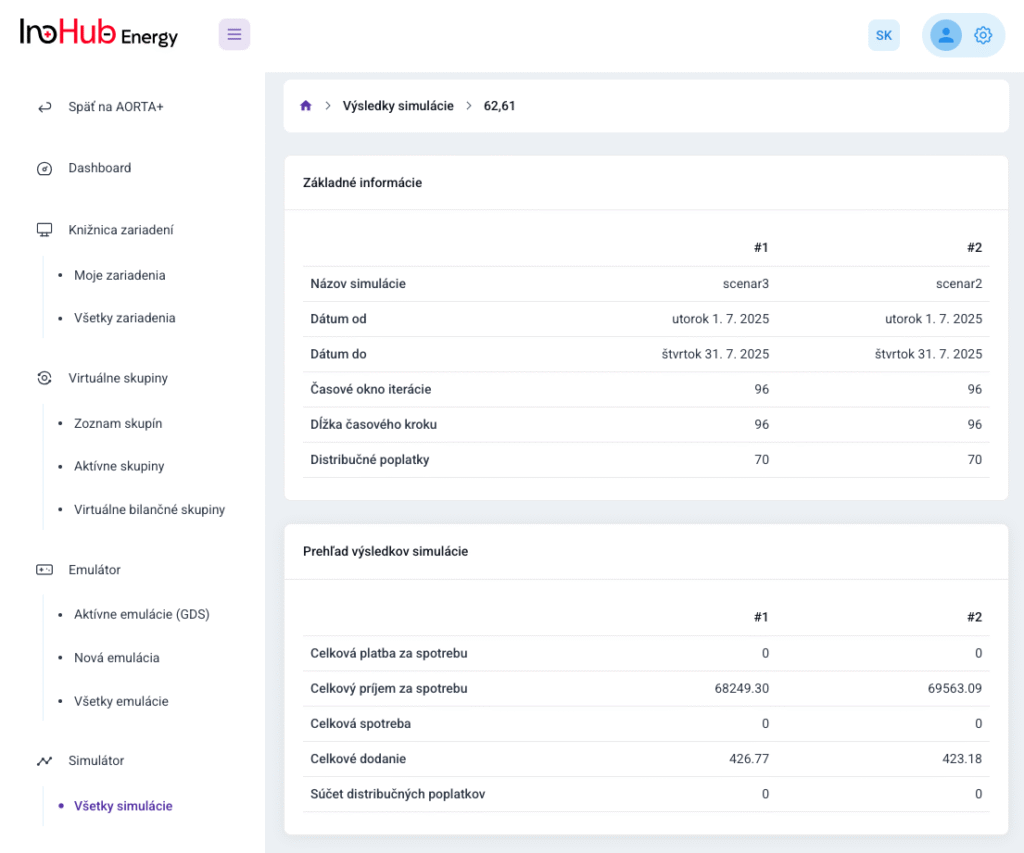
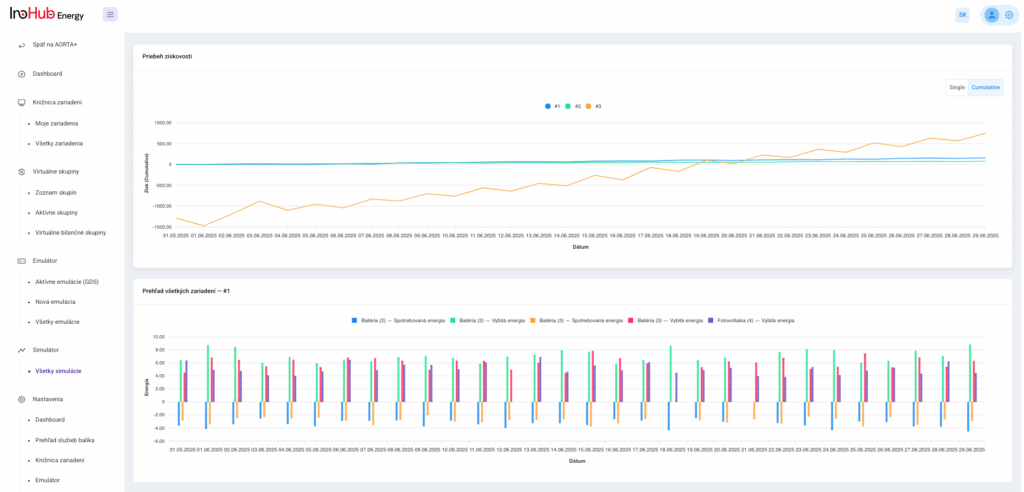
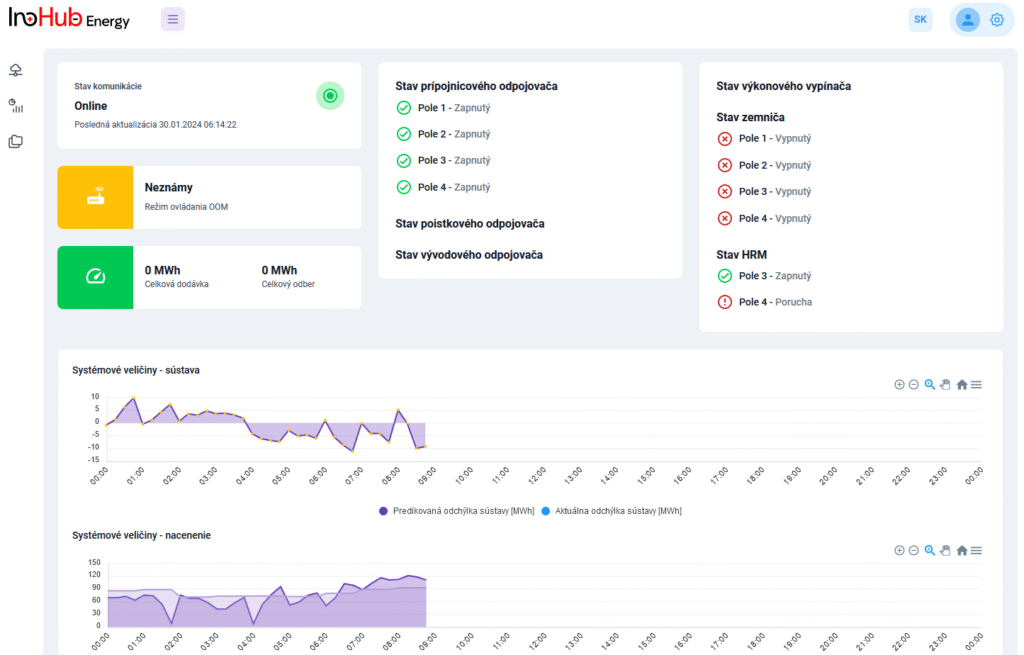
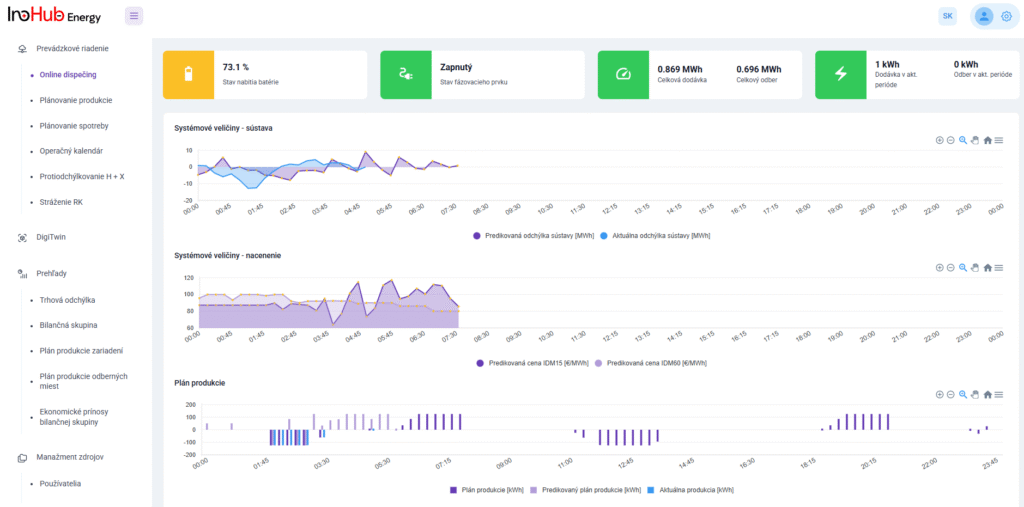
Instead of relying on a simple energy balance estimate, we can work with time-series data on energy generation, consumption, electricity prices and the behaviour of individual technologies. Our simulations are conducted at 15-minute intervals, allowing us to analyse in greater detail how the system operates throughout the day.
This approach is particularly important for BESS. Two solutions with the same installed capacity may not deliver the same results. Performance depends on the timing of energy consumption and generation, battery power and capacity, state of charge (SOC), charging and discharging patterns, electricity prices and the selected control strategy.
Simulation Tailored to a Specific Project
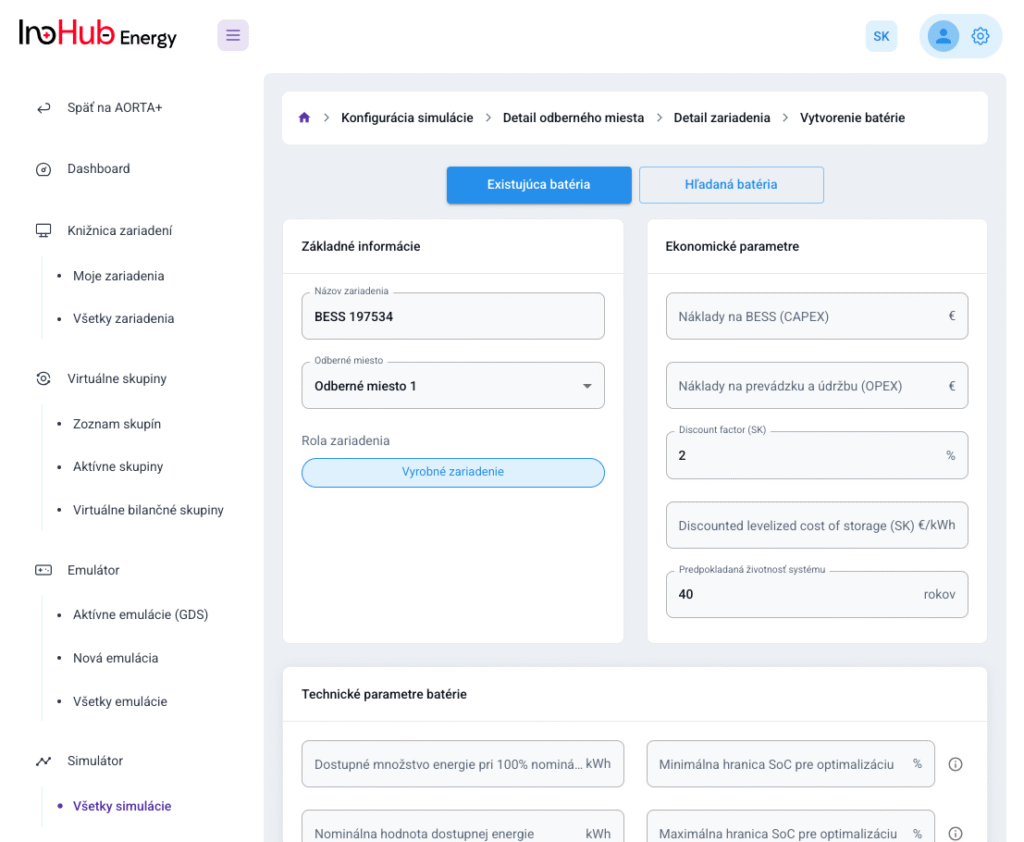
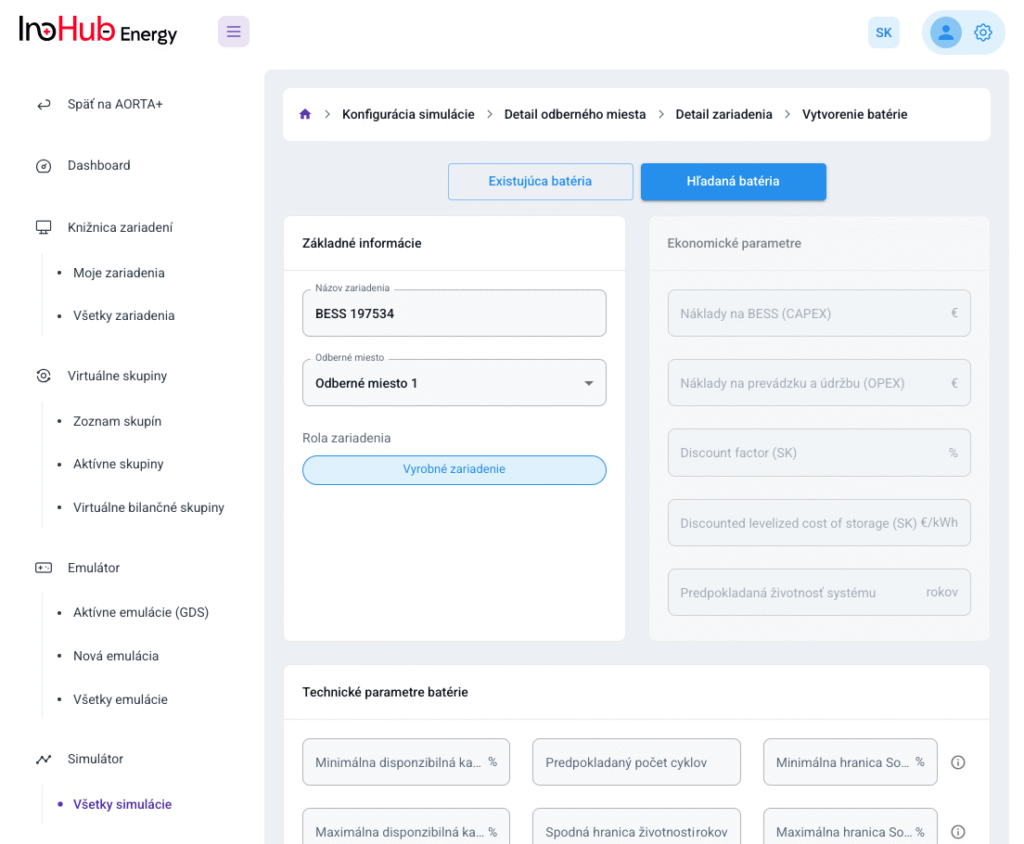
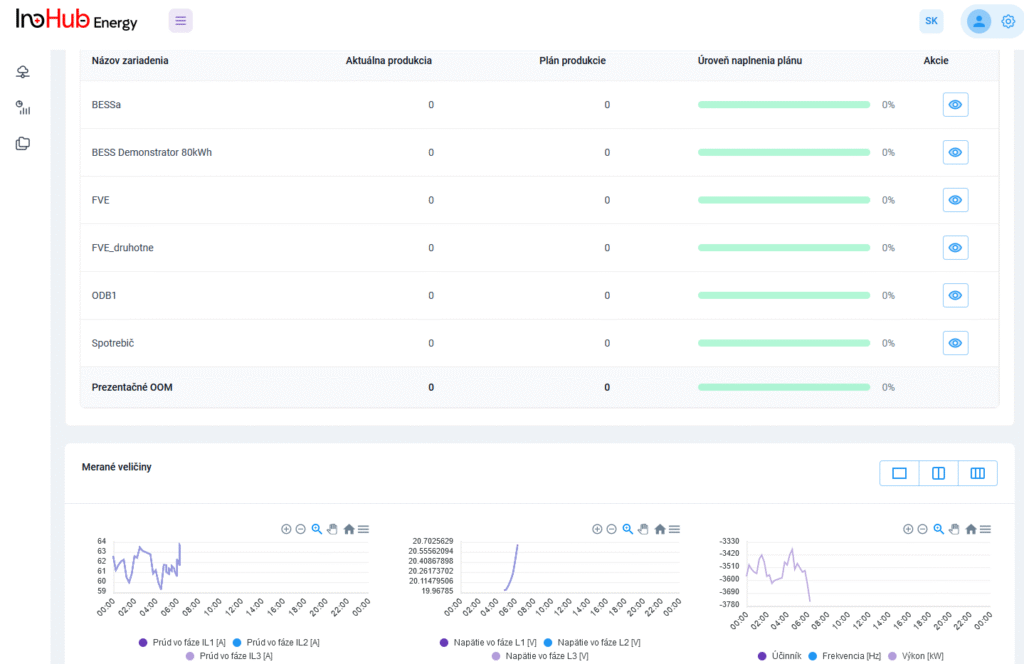
One of DigiTwin’s key advantages is the ability to build a digital model based on the customer’s specific energy system configuration. The model can incorporate, for example:
- Actual or modelled consumption profiles
- A photovoltaic (PV) system and its generation profile
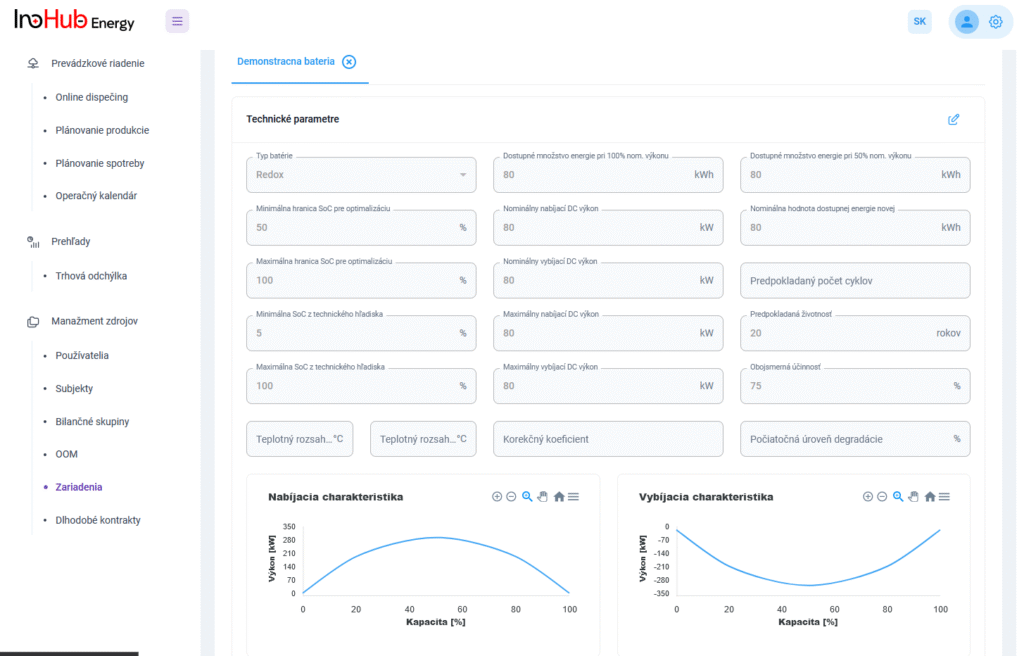
- A BESS with defined power and energy capacity
- Technical constraints of individual devices
- Market electricity prices
- Contracted capacity
- Different charging and discharging strategies
- Alternative ownership or operating models for energy assets
We can then explore different “what if…?” scenarios. What if we increase the PV system’s capacity? What impact would a larger battery have? Do we need higher power or greater energy capacity? How would the results change with a different consumption profile? How would an alternative control strategy affect the economics?
DigiTwin is therefore more than a visualisation tool. Its purpose is to provide a data-driven basis for technical and economic decision-making, while also enabling the proposed configuration to be further validated and refined.
The ability to simulate multiple digital twin configurations is one of the practical benefits of this approach. Research literature also demonstrates the use of digital twins to optimise the dispatch of energy storage systems.
ACKNOWLEDGEMENT:
This work was supported by the project: IPCEI_IE_FLOW_BESS_012021_2.Phase